

Innovative Engineering Solutions for Wildlife Conservation in Urban Areas
Urban growth often comes at the expense of natural habitats, pushing wildlife into smaller, fragmented spaces. This creates challenges for animals trying to survive in cities. Engineers and architects have started designing structures that help wildlife thrive alongside human development. These solutions blend nature with urban life, making cities more welcoming for animals and plants.
Green Roofs and Living Walls
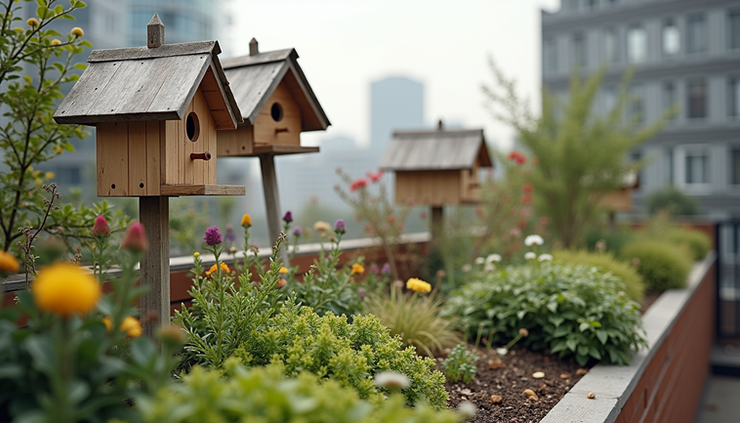
One of the most effective ways to support wildlife in cities is by adding green roofs and living walls to buildings. These features create small habitats for birds, insects, and small mammals. Green roofs use layers of soil and plants on top of buildings, which can reduce heat, improve air quality, and provide food and shelter for wildlife.
Living walls, or vertical gardens, cover building exteriors with plants. They offer nesting spots for birds and butterflies while improving the building’s insulation. Cities like Chicago and Singapore have embraced these designs, showing how urban spaces can become part of the natural ecosystem.
Benefits of Green Roofs and Living Walls
Provide habitat for pollinators like bees and butterflies
Help control stormwater by absorbing rain
Reduce urban heat island effect
Improve air quality by filtering pollutants
Wildlife Corridors and Bridges
Urban areas often block animal movement, isolating populations and reducing genetic diversity. Wildlife corridors and bridges reconnect these spaces, allowing animals to move safely between habitats. These structures are especially important for larger mammals and reptiles that need to cross roads or railways.
For example, the Banff Wildlife Crossings in Canada include overpasses and underpasses designed specifically for animals. These crossings have reduced wildlife-vehicle collisions by over 80%, protecting both animals and drivers.
Key Features of Wildlife Corridors
Vegetation that mimics natural habitat
Noise barriers to reduce traffic disturbance
Safe passageways over or under roads
Connectivity between parks and green spaces
Nesting Boxes and Artificial Habitats
In cities, natural nesting sites for birds, bats, and insects are often scarce. Engineers have developed nesting boxes and artificial habitats to fill this gap. These structures can be attached to buildings, placed in parks, or integrated into street furniture.
Bat boxes, for example, provide safe roosting spots that help control insect populations naturally. Birdhouses designed for native species encourage breeding and increase urban biodiversity. Some cities have even installed bee hotels to support pollinators struggling with habitat loss.
Practical Tips for Nesting Structures
Use materials that provide insulation and protection
Place boxes at heights safe from predators
Design openings to suit target species
Regularly clean and maintain to prevent disease

Water Features for Wildlife
Water is essential for all living creatures, but urban areas often lack natural water sources. Engineers have started incorporating water features like ponds, rain gardens, and wetlands into city designs. These features provide drinking water and breeding grounds for amphibians, birds, and insects.
Rain gardens collect and filter stormwater, reducing runoff and pollution. They also create moist environments where frogs and dragonflies can thrive. Urban wetlands act as natural filters and support a wide range of species.
Designing Water Features
Use native plants to support local wildlife
Ensure water is clean and free of chemicals
Create shallow edges for easy access
Include rocks and logs for shelter
Smart Lighting to Protect Nocturnal Wildlife
Artificial lighting disrupts the natural behavior of many animals, especially nocturnal species like bats and moths. Engineers have developed smart lighting systems that reduce light pollution while maintaining safety for people.
These systems use motion sensors, dimming controls, and warm-colored lights to minimize impact. For example, some cities dim streetlights during low-traffic hours or direct light downward to avoid illuminating trees and habitats.
Benefits of Smart Lighting
Reduces disruption to animal feeding and mating
Saves energy and lowers costs
Improves human safety without harming wildlife
Building with Wildlife in Mind
Urban planners and engineers are increasingly adopting a wildlife-first mindset. This means considering the needs of animals during the design phase of new developments. Simple changes can make a big difference, such as:
Using permeable surfaces to allow water infiltration
Preserving mature trees and native vegetation
Creating buffer zones around sensitive habitats
Installing wildlife-friendly fencing
Cities like Berlin and Melbourne have policies encouraging developers to include wildlife-friendly features in their projects. This approach helps balance urban growth with conservation.
Wildlife conservation in cities requires creative engineering solutions that connect nature with urban life. Green roofs, wildlife corridors, nesting boxes, water features, and smart lighting all play a role in supporting animals in built environments. By designing with wildlife in mind, cities can become places where humans and animals coexist more peacefully.


Comments