

Drainage Systems and How They Affect your Foundation
Water is one of the biggest threats to a home's foundation and overall structural health. When drainage systems fail or are poorly designed, water can accumulate around the foundation, causing serious damage over time. Understanding how drainage systems affect your home’s foundation helps you protect your investment and avoid costly repairs.

How Drainage Systems Protect Your Home’s Foundation
Drainage systems are designed to direct water away from your home. This includes rainwater, groundwater, and runoff from nearby surfaces. Proper drainage prevents water from pooling near the foundation, which can lead to soil erosion, foundation cracks, and even structural shifts.
Key components of a drainage system include:
Gutters and downspouts: Collect rainwater from the roof and channel it away from the house.
French drains: Perforated pipes buried underground that redirect water away from problem areas.
Surface grading: Sloping the soil around the home to encourage water to flow away naturally.
Sump pumps: Devices that remove water from basements or crawl spaces when flooding occurs.
Each element plays a role in managing water flow and protecting the foundation from excess moisture.
Effects of Poor Drainage on Foundations
When drainage systems fail or are absent, water can saturate the soil around the foundation. This saturation causes several problems:
Soil expansion and contraction: Clay soils absorb water and expand, then shrink when dry. This movement can crack foundations.
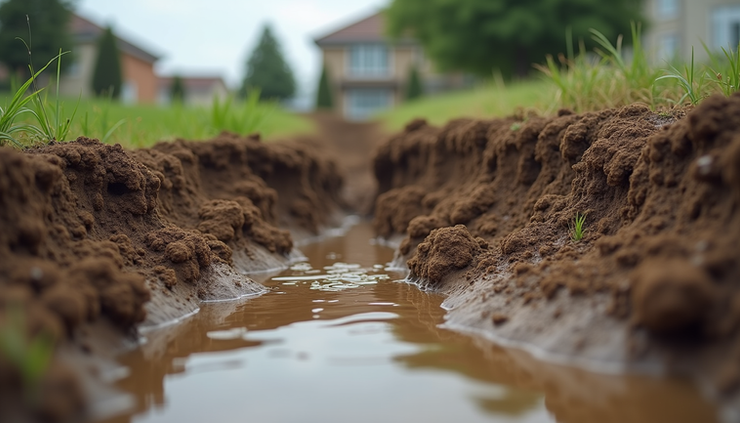
Erosion: Water runoff can wash away soil supporting the foundation, leading to settling or sinking.
Hydrostatic pressure: Water buildup increases pressure against foundation walls, causing cracks or bowing.
Basement flooding: Poor drainage allows water to seep into basements, damaging interiors and encouraging mold growth.
For example, a homeowner in a region with heavy rainfall noticed cracks appearing in their foundation walls. Upon inspection, it was clear that gutters were clogged, and water pooled near the foundation during storms. Installing new gutters and a French drain system resolved the issue and prevented further damage.
Signs Your Drainage System Needs Attention
Recognizing drainage problems early can save thousands in repairs. Watch for these warning signs:
Water pooling near the foundation after rain
Cracks in foundation walls or floors
Damp or musty basement odors
Soil erosion or exposed roots near the house
Downspouts that discharge water too close to the foundation
Regular maintenance, such as cleaning gutters and checking grading, helps keep drainage systems effective.
Improving Drainage to Protect Your Home
If you notice drainage issues, several solutions can improve water management:
Extend downspouts to discharge water at least 5 to 10 feet from the foundation.
Regrade soil around the home to slope away at a minimum of 6 inches over 10 feet.
Install French drains or other underground drainage to redirect water.
Use sump pumps in basements prone to flooding.
Maintain gutters and downspouts by cleaning debris regularly.
In some cases, consulting a drainage or foundation specialist is necessary to design a system tailored to your property’s needs.
The Long-Term Benefits of Proper Drainage
Investing in a good drainage system protects your home’s foundation and structural integrity for years. It prevents costly repairs, maintains property value, and provides peace of mind during heavy rains or storms. Homes with well-managed drainage also tend to have healthier basements and fewer moisture-related issues.
Taking proactive steps to manage water around your home is one of the smartest ways to safeguard your investment.


Comments